Sweat Now, Rinse Later: A Ginza-to-Tsukiji Run with a Real Cleanup Plan
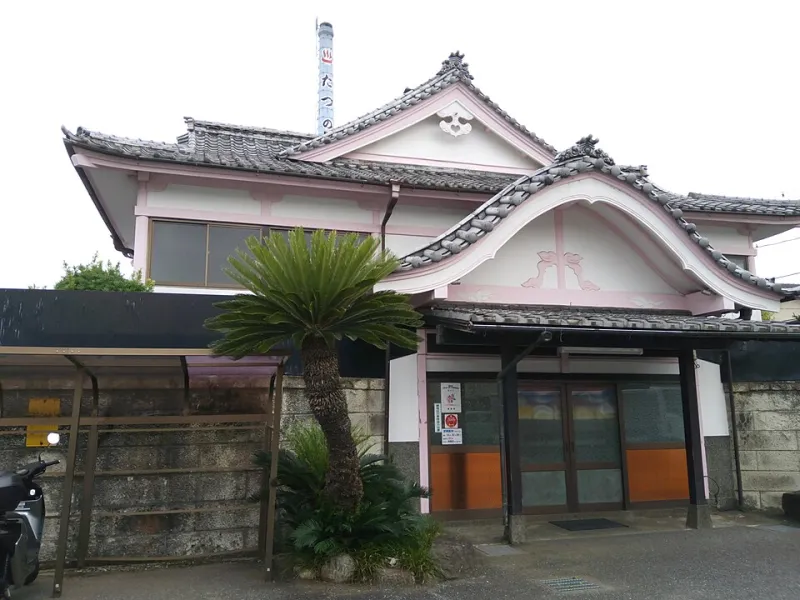
Photo: Kurihaya, CC0, via Wikimedia Commons
A Tokyo run has a way of ending in a sweaty dilemma. You have seen the river, you have hit your splits, and now you are standing outside a convenience store with nowhere to change. Central Tokyo is dense enough that the solution is usually within a ten-minute walk—but only if you know what to look for. This is the cleanup layer of a Ginza-to-Tsukiji run: where to shower, what a sento expects, and how to carry cash and a towel without turning your day into a scavenger hunt.
The route: Ginza to Tsukiji, one way
Start at Ginza Station and head east on Chuo-dori. Use the exits toward Ginza 4-chome; the street is wide and easy to follow. Run toward Tsukiji, turn south near Tsukiji Honganji, and loop the outer market at an easy pace. Finish at Tsukiji Station or walk five minutes to Higashi-Ginza. The direct line is about 3 kilometers; with a market loop and a Sumida River detour, you can stretch it to 5 or 6.
Go early. The outer market is a working market, so keep your pace easy and your phone down. You are a guest in someone's morning routine, not the main character of a travel video.
The cleanup stack: three options
-
Coin showers. Search Google Maps for coin shower plus your neighborhood. You will find them attached to municipal sports centers, capsule hotels, and some 24-hour gyms. Expect a small fee, a locker, and a time limit. Bring 100-yen coins; many machines do not take IC cards. These are the least cultural and most predictable option.
-
Gym day passes. Large chains such as Gold's Gym, Anytime Fitness, and Konami Sports Club sometimes sell day passes, but policies change by branch and season. Call or check the Japanese website before you go. Bring photo ID and indoor shoes. Some branches require a reservation or a short orientation.
-
Sento. A neighborhood public bath is the classic Tokyo cleanup. In the Ginza and Tsukiji area, Ginza no Yu is a known sento option; check its hours and closure days before you build your morning around it. Admission is cheap—think a few hundred yen—but the experience comes with rules.
Sento etiquette, condensed
- Pay at the front counter, take your shoes off at the entrance, and use the locker for your bag and clothes.
- Bring or buy a small towel for washing; rent a larger one for drying if the bath offers rentals.
- Wash thoroughly at a seated shower before entering the tub. This is not optional.
- No soap, no towels, and no swimwear in the bath. Keep your small towel out of the water.
- Keep voices low and phones out of the bathing area.
- Dry off in the changing room before getting dressed.
- Tattoos: many sento post no-tattoo signs. Some allow covering with sports tape; call ahead or choose a gym if you have larger tattoos. Do not assume.
Lockers, bags, and the cash-only reality
Coin lockers at Ginza, Higashi-Ginza, and Tsukiji stations come in a few sizes; the big ones go early. If you are traveling with a carry-on, use a luggage storage counter at Tokyo Station or a same-day delivery service. Apps like ecbo cloak connect travelers with local shops that hold bags. Keep a 100-yen coin for the locker deposit and a second one for the shower. Many sento and small gyms are cash-only; carry at least a few thousand yen in small bills.
Towels, toiletries, and the small print
Bring a travel towel and a zip-top bag for the wet one. Some sento sell soap and shampoo, but not all; a travel-size bottle saves a detour. Hair dryers are often coin-operated. If you have long hair, bring a hair tie. Check for women-only or men-only hours—some baths alternate days. If you are using a gym, confirm whether towels are included; many rentals are extra.
A clean finish timeline
7:00 a.m. start at Ginza Station. 7:35 finish at Tsukiji Outer Market. 7:45 shower at your chosen spot. 8:30 breakfast. By 9:00 you are clean, fed, and ahead of the tour groups. If you want to eat first, do it after the shower—Tsukiji counters are small and steamy, and you will be happier not dripping on the tamagoyaki.
The trick is not finding a single magical facility that solves everything. It is stacking small certainties: a station locker, a coin shower or sento, a towel in your bag, and enough cash for the counter. Do that, and a sweaty Ginza-to-Tsukiji run becomes a clean start to the day instead of a problem to solve.