Chasing First Light: A Low-Stress New Year's Day Run Around the Imperial Palace
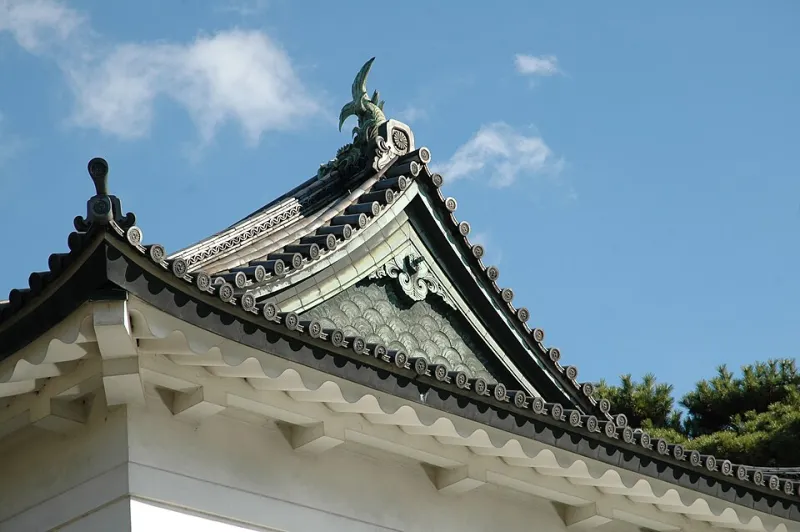
Photo: Stefano Vigorelli, CC BY-SA 4.0, via Wikimedia Commons
New Year's Day in Tokyo has a rhythm of its own: shrine queues before dawn, quiet trains, and streets that feel briefly unhurried. For runners, that makes January 1 a rare chance to start the year with a hatsuhinode — first-sunrise — loop around the Imperial Palace. The route is about 5 kilometers, flat, and easy to follow. The trick is planning around holiday crowds, palace-area closures, and the fact that not every train runs on a normal Sunday schedule.
Why the Palace Loop Works on January 1
The Imperial Palace loop is Tokyo's classic city run for a reason. You get a mostly flat sidewalk circuit, a moat-and-trees backdrop, and enough other runners to keep you from feeling lost. On January 1, it also gives you a low-commitment sunrise plan: no mountain hike, no reserved tour, no need to leave the city center.
This is not a wild-horizon sunrise. You will see first light between buildings, over the moat, and through bare winter trees. That is part of the charm. The city is waking up slowly, and you are already out in it.
One important note: January 1 brings New Year's Greeting crowds to the Imperial Palace Plaza area. The public outer loop is the reliable running option, but expect police direction and temporary crowd controls near the plaza. The East Gardens and some inner gates follow holiday closures, so do not build your route around cutting through them. Check the Imperial Household Agency's latest notices before you go, and treat any barrier as a hard no.
What Time to Arrive
Tokyo's sunrise on January 1 is roughly 6:50 a.m. If you want to be moving before first light, arrive at the loop by 6:15 to 6:30. That gives you time for a bathroom stop, a few warm-up strides, and a calm start without dodging crowds.
If you want near-empty sidewalks, aim for 5:45. The trade-off is a darker start and colder fingers. Either way, do not roll up at 6:55 and expect a serene experience. The palace area starts collecting New Year's visitors early, and the plaza side can get busy fast.
A simple timeline looks like this: arrive at 6:20, start at 6:30, finish around 7:05 to 7:15, and be inside a warm station or convenience store by 7:30. That is early enough to enjoy the morning and late enough to feel like you earned breakfast.
Gates, Paths, and January 1 Quirks
The palace loop is public sidewalk, not a gated park. Most runners go counterclockwise, but there is no official one-way rule. Follow the flow, keep left on shared sidewalks, and cross at signals. Do not cut across roads because the moat looks pretty.
On January 1, the main quirks are crowd control and closures. Near Kokyo Mae Plaza, you may find temporary fencing, police lines, or one-way pedestrian flow. Do not argue with it. Reroute along the outer sidewalk and keep moving. The loop still works; you just may not get the exact line you planned.
Bathrooms are another holiday variable. Station restrooms and convenience stores are your best bet. Do not count on park facilities being open at dawn. Carry a small hand towel, because Japanese public restrooms often lack paper towels or hand dryers.
Train Lines and Early Service
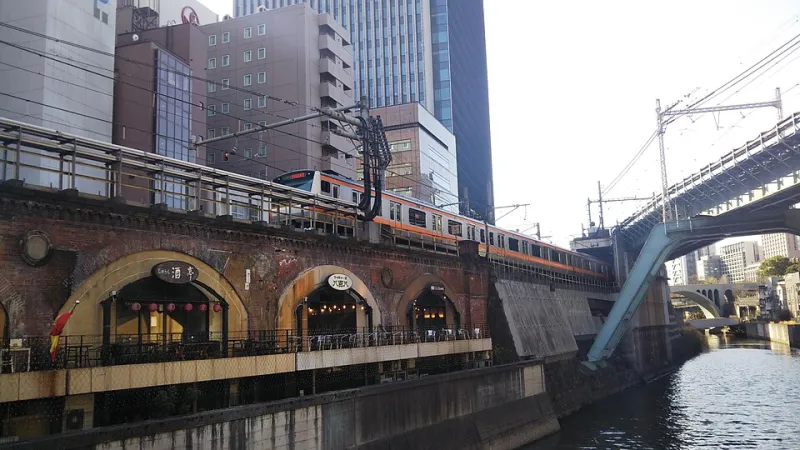
The palace loop is served by several stations. Tokyo Station and Otemachi are useful for the east side. Takebashi Station on the Tozai Line puts you near the north side. Sakuradamon Station on the Yurakucho Line is handy for the south. Nijubashimae Station on the Chiyoda Line is close to the plaza side.
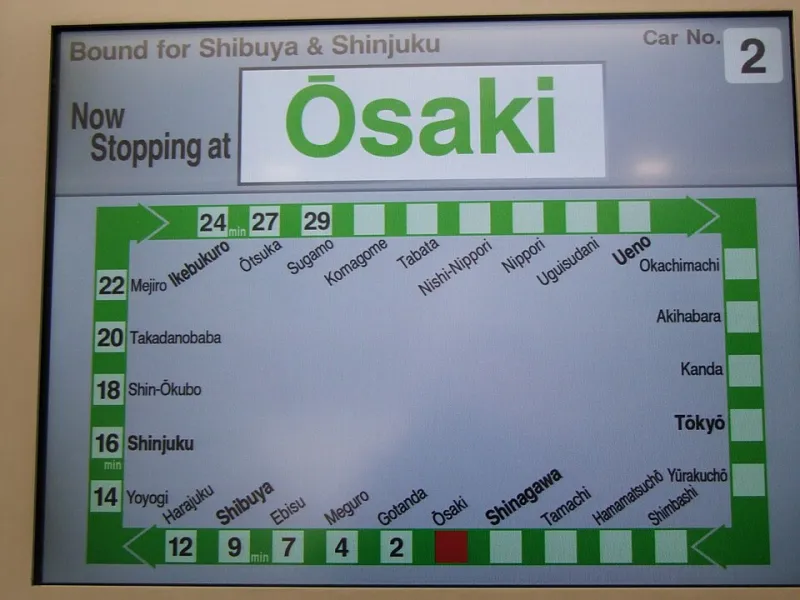
JR Yamanote Line first trains usually start around 4:30 to 5:00 a.m., but holiday schedules vary. Some lines add extra late-night or early New Year's service, and some station exits open later than usual. Check JR East and Tokyo Metro notices on the day before. A transit app is useful, but verify holiday alerts rather than trusting a normal weekday timetable.
Use an IC card such as Suica or Pasmo. If you have an iPhone, you can add Suica to Apple Wallet before your trip and load it with a US credit card that works abroad. That saves you from fumbling with fare machines at 6 a.m.
The Run Itself: A Simple 5K
Start at Takebashi, head toward the Kitanomaru side, and follow the moat sidewalk south toward Sakuradamon. From there, continue around the outer edge past the plaza area, then follow the signs and sidewalk back toward Otemachi and Takebashi. You do not need a perfect route. Keep the moat on one side, follow the runners, and use station signs as your handrails.
The surface is mostly paved sidewalk with a few curb cuts and crossings. Wear reflective bits if you start before 6:15. Winter mornings can be near freezing, so layers are smarter than one heavy jacket. Gloves and a beanie make a bigger difference than you think.
Warm-Up After: Coffee, Shrine, and a Warm Train
For a quick warm-up, head to the Otemachi or Tokyo Station underground concourse. Convenience stores such as 7-Eleven, Lawson, and FamilyMart are usually open, though holiday hours can vary. A hot canned coffee from a vending machine is also a perfectly respectable finish-line ritual.
If you want a cultural chaser, consider a early shrine visit. Kanda Myojin, Yasukuni Shrine, and Hie Shrine are all reachable from the palace area, but hatsumode crowds build after 8 a.m. Go early or save the shrine visit for another day. The combination of a sunrise loop and a quiet shrine stop is memorable, but only if you keep it short.
Finally, remember that New Year's Day is a holiday for everyone, including convenience store staff and train crews. Be patient, carry out your trash, and keep your voice low in stations. A cheerful ohayo gozaimasu to a fellow runner is fine. A loud playlist at 6:30 a.m. is not.
If you plan the night before, charge your phone, lay out your layers, load your IC card, and check the weather. The palace loop rewards low-stress preparation. Get there early, run the moat, and let the first sunrise of the year be the easy part.